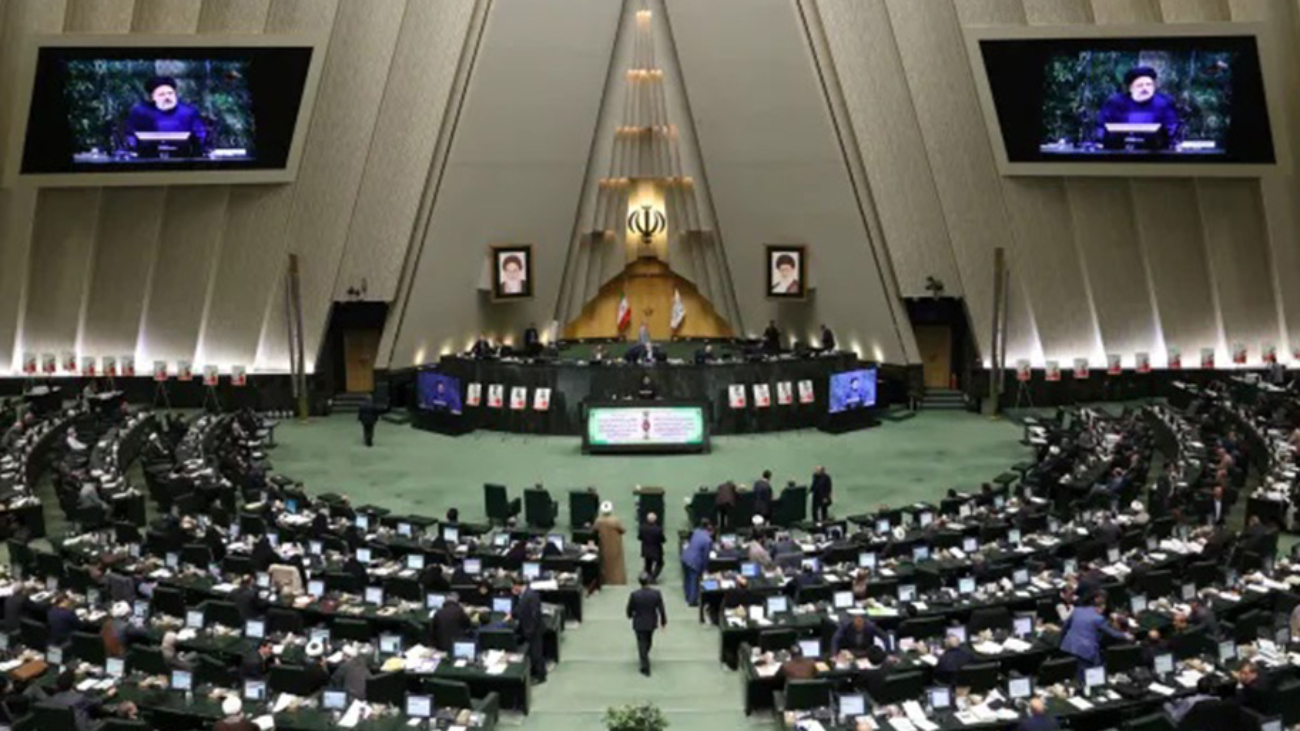
Iranians will vote for members of parliament and the Assembly of Experts, which picks the country’s Supreme Leader.
Tehran, Iran – Iranians will head to voting stations on Friday for parliamentary elections and to vote for the political and religious leaders who will choose the next supreme leader.
Tens of millions of people are eligible to vote, but voter apathy remains high in Iran as the country faces a multitude of challenges following a tumultuous period since the last parliamentary elections in 2020.
Here are the essentials you need to know in advance of the polls.
Who can vote and when does voting start?
Voters must be at least 18 years old. More than 61.2 million people are eligible to vote in a country of roughly 85 million.
Polls will open across Iran at 8am local time (04:30 GMT) and will remain open for 10 hours as per the law. In the past, time for voting has always been extended, sometimes going past midnight when there is demand.
Authorities have said 59,000 voting stations will be operational across the country, with 5,000 in the capital, Tehran, and 6,800 in the wider province of Tehran, which includes several other cities as well.
In 1,700 voting stations, voting will be carried out “completely electronically” with polling devices prepared to accommodate voters.
The Interior Ministry has dispatched 250,000 security force personnel to oversee voting and make sure the elections are held safely. Law enforcement will be supported by the Islamic Revolutionary Guard Corps (IRGC) and its Basij forces, along with the army. More than 90 people were killed in early January in a twin bombing in Kerman that was claimed by ISIL (ISIS), so security is expected to be tight.